A common theme at our support group is struggles with sleep. Many of the substances that we use can help us fall asleep initially, but cause unhealthy sleep patterns at dependency in the long run.
According to the Sleep Foundation we need sleep for:
-
Learning and memory consolidation: Sleep helps with focus and concentration—and it allows the brain to register and organize memories—all of which are vital to learning.
-
Emotional regulation: Sleep helps people regulate their emotions and better manage the physical and psychological effects of stress.
-
Judgment and decision making: Sleep influences a person’s ability to recognize danger and threats. Healthy sleep supports sound judgment, good decision making, and other executive functions.
-
Problem solving: Research shows that “sleeping on” a complex problem improves a person’s chance of solving it.
-
Energy conservation: Sleep allows people to conserve energy through an extended period of reduced activity.
-
Growth and healing: Sleep provides the release of growth hormone necessary for the body’s tissues to grow and repair damage.
-
Immunity: Sleep supports immune function, allowing the body to fight off diseases and infections


To say sleep is important is an understatement, and as we are trying to support ourselves to feel better and lead healthier lives, focusing on our sleep is essential. However, creating healthy sleep hygiene can be a bit more complex than just laying our heads down at night.
Personally, when I tried to quit drinking, I found sleep to be a frustrating and sometimes scary experience. I have C-PTSD, or Complex Post Traumatic Stress Disorder, which leaves my body in a chronic fight-or-flight state, including when I try to sleep. My overactive adrenal glands create nightmares, troubling thoughts, and make it hard to fall asleep and stay asleep. My struggle is not uncommon, and many people who end up with addictions are self-medicating in an attempt to quiet down the effects of PTSD and C-PTSD.
After a long struggle, I have found that a number of things can help support me in achieving better sleep. Often times in addiction we are accustomed to magic-bullet solutions. We want to feel different now, so we use our neurological sledgehammers. “Can’t sleep? Drink a few beers. Smoke a joint,” our addicted voice says. And sure, substances will make us pass out, but the quality of sleep we get in an intoxicated state is very poor. Alcohol, for instance, prevents us from going into normal REM cycles, therefor making our sleep unrestful and leaving us tired upon waking.
Things I did that actually helped:
I experimented with herbal medicine. There are a ton of mild, relaxing herbs that have a significant enough effect that they help to support my sleep. Personally, I use valerian root, blue vervain, hops, catnip, and tulsi. I have a sleep ritual involved, where every night I make a pot of tea and signal to my body that it’s time to wind down and relax.
I learned controlled breathing and meditation techniques. One of my problems is overthinking and worrying, and meditation with structured breathing helps me release troubling thoughts and focus on the present moment, which is me being safe and sound in my bed. Controlled breathing can help switch the body’s nervous system out of fight or flight, thus supporting a calm and relaxed state conducive to sleep. For more information on meditation and sleep, click here.
I exercise regularly. I noticed if I spent the day in a stiff, wound-up body that falling asleep was exceedingly difficult. When I am able to exhaust my body through exercise, sleep comes much more easily.
I avoid screens close to bedtime. Well, I avoid screens in general. I try to be active in present in my life as a living human being connected to myself, other people, animals, and the earth. Looking at screens adversely affects our ability to sleep. For more information, click here.
I am in trauma therapy to help heal my C-PTSD. This has been a long and bumpy road, but it’s totally worth it. I feel less fight-or-flight as time goes on and more relaxed and present in general.
Fostering our ability to get enough sleep is an important way to show love and kindness to ourselves as we traverse this path of healing. If you are struggling with sleep, you are not alone, and there are so many things that you can try to hep support yourself.
May you be happy and free, dear reader.
Announcements and such:
If you want to support this work, share it with a friend, subscribe to this Substack for $8/month, or help support our nonprofit organization by donating in any amount. Click here to donate!
This week our podcast episode is an interview with Joey. We talk about causing harm while in addiction, how he worked to heal himself, and the bumpy road to accountability. Click here to listen!
Want to be interviewed about your story with substances? Send an email to info@recoverydemystified.com
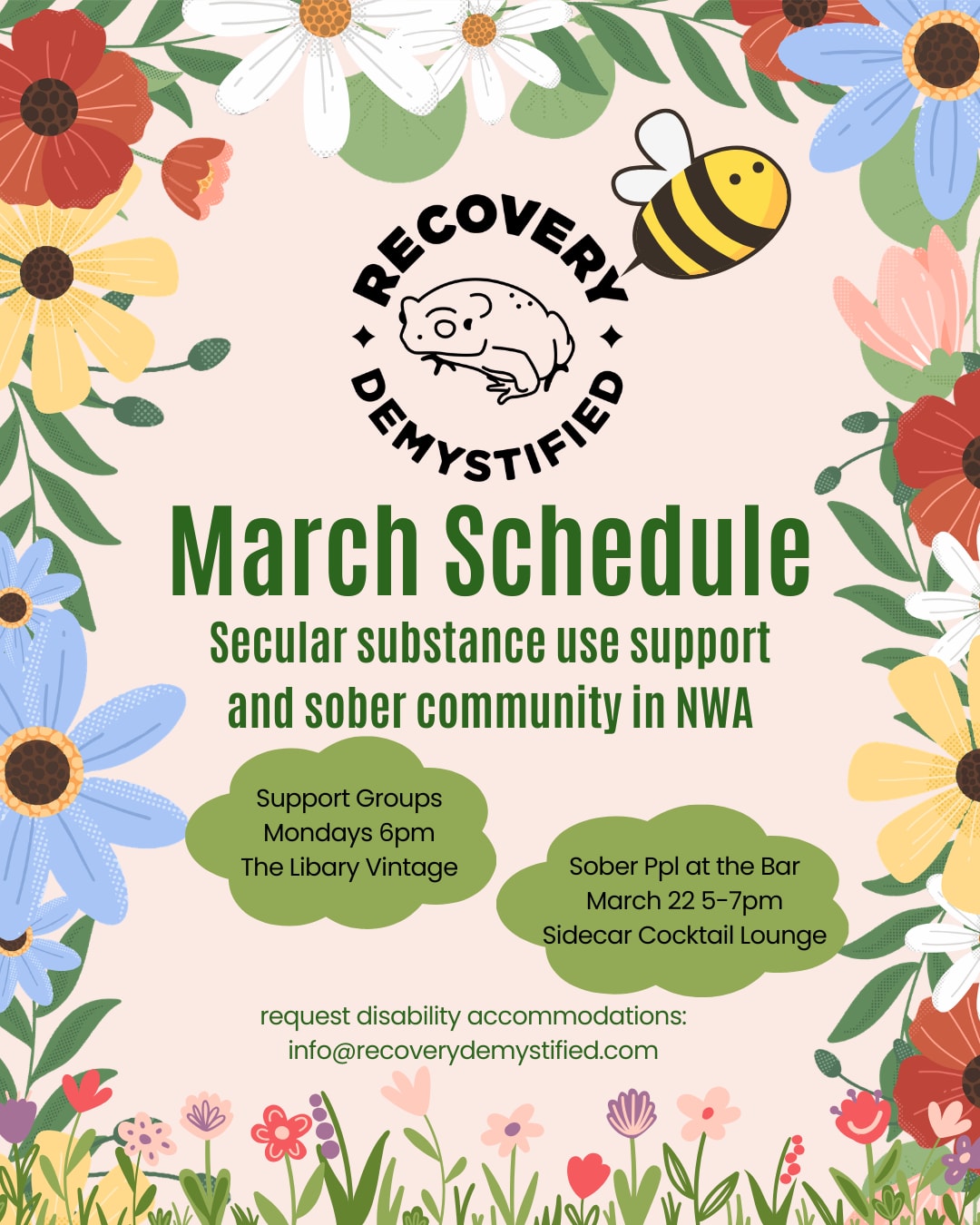
Support groups are still every Monday at 6pm at The Library Vintage in Fayetteville, AR.