Hey, friends. As a neurodivergent person who thrives on routines, I am in a bit of an odd place. About two months ago I quit my job waiting tables at a restaurant so I could focus on hospice care for my two elderly dogs who were in their final stage of life. This was emotionally intense, and I was functioning in a sort of desperate/hopeless/depressed state that was simultaneously intensely present/aware/loving. What a journey.
Immediately after my dogs passed, I went on another plant medicine journey in Peru. I am still in an acute integration period for that work.
About a week after returning from Peru, I started CCAR Recovery Coach Professional training online. I deeply believe that life saving recovery resources should never be held behind a paywall, but also I have learned that no matter how I feel morally, the realities of the world in which we exist force me to bend to a compromise sometimes. So as soon as I can get all of the really boring stuff figured out like professional liability insurance and making a calendar and intake form for the website — I will be offering one-on-one addiction recovery coaching services. My hope is that with a sliding scale, people who have more will be able to contribute and pay for folks who have less.
This brings me back to the disruption of routines and how they have facilitated my growth in recovery. As a neurodivergent person on the autism spectrum, routines are where I feel soothed. There is also a part of almost everyone’s brain that fears change and wants us to stay stuck, even if where we are trapped is a painful place. It is normal and very human to seek the familiar, in fact, it’s hardwired into us.
One of my best friends likes to say, “I wonder what will happen next?” This mantra serves as a friendly reminder that we are not, in fact, in charge here. The whole world is this big amalgamation of causes and conditions, the nature of which is impermanence.
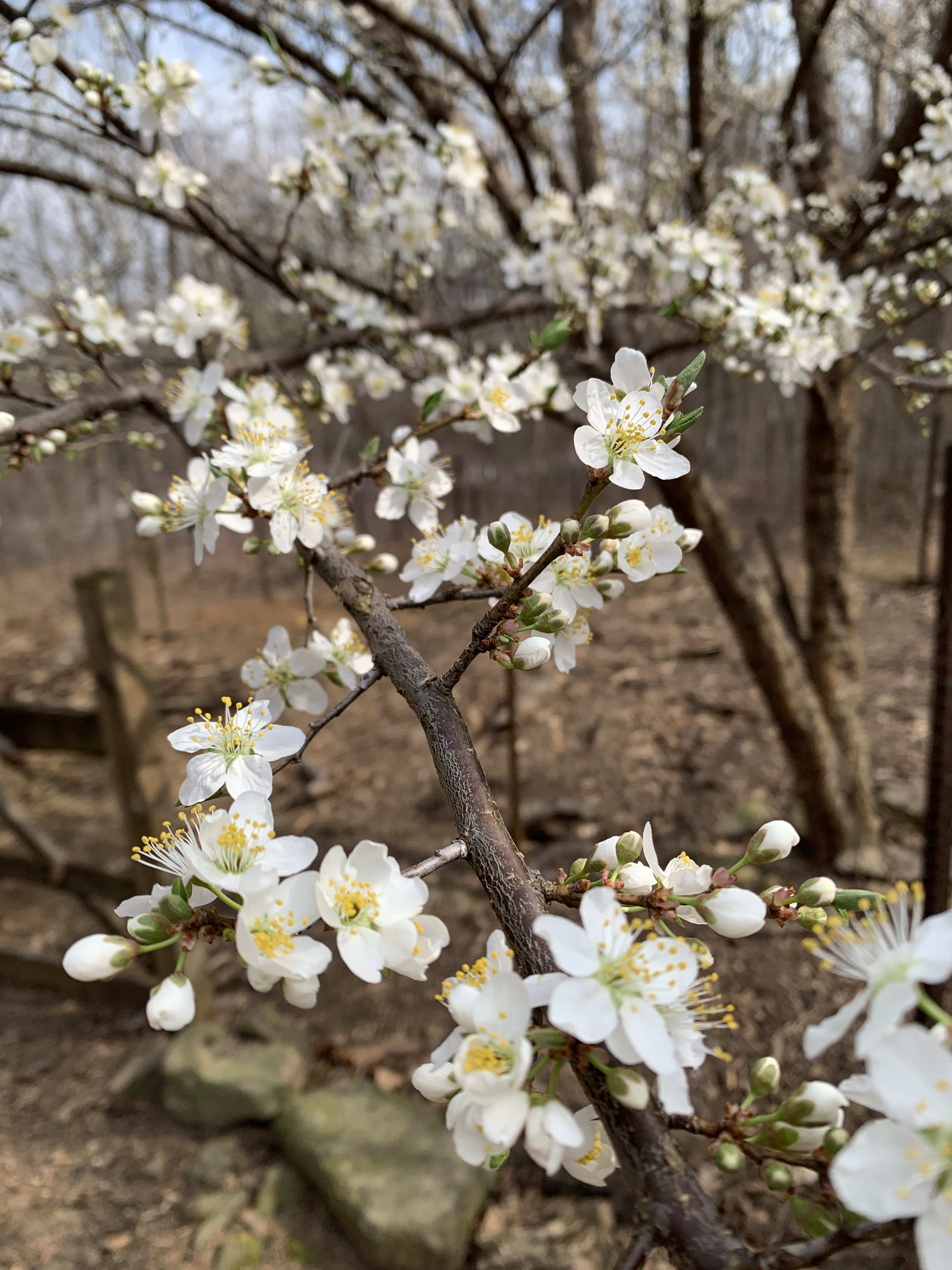
Our routines can keep us safe, or they can keep us stuck.
I’m not saying to fry your routines and go full-chaos, but you do have to break eggs to make an omelette. Working at the restaurant was a reliable income, but I wasn’t growing there. I want to do recovery work as my job. The past year I spent a lot of time writing big grants (I didn’t get a single one), writing small grants (I got a few), and being dogmatic in my mindset that I wouldn’t quit the restaurant until I had a second income stream secured with recovery work. This led to me being overworked and stressed, functionally working two full time jobs and only getting paid for one.
Here’s an invitation to disrupt your patterns, be open to new opportunities entering into your life, and to greet that part of yourself who is afraid of change with curiosity and understanding.
I wonder what will happen next.
May you be happy and free, dear reader.
Announcements and such:
Want to support this work? You can subscribe to this Substack for $8/month, or donate in any amount via our website. RD is a 501c3 nonprofit! Click here to donate!
This week the podcast episode is Part 2 of Joey’s story. We talk about accountability in recovery after causing very serious harm. Click here to listen!
Connect with us on Instagram… click here!
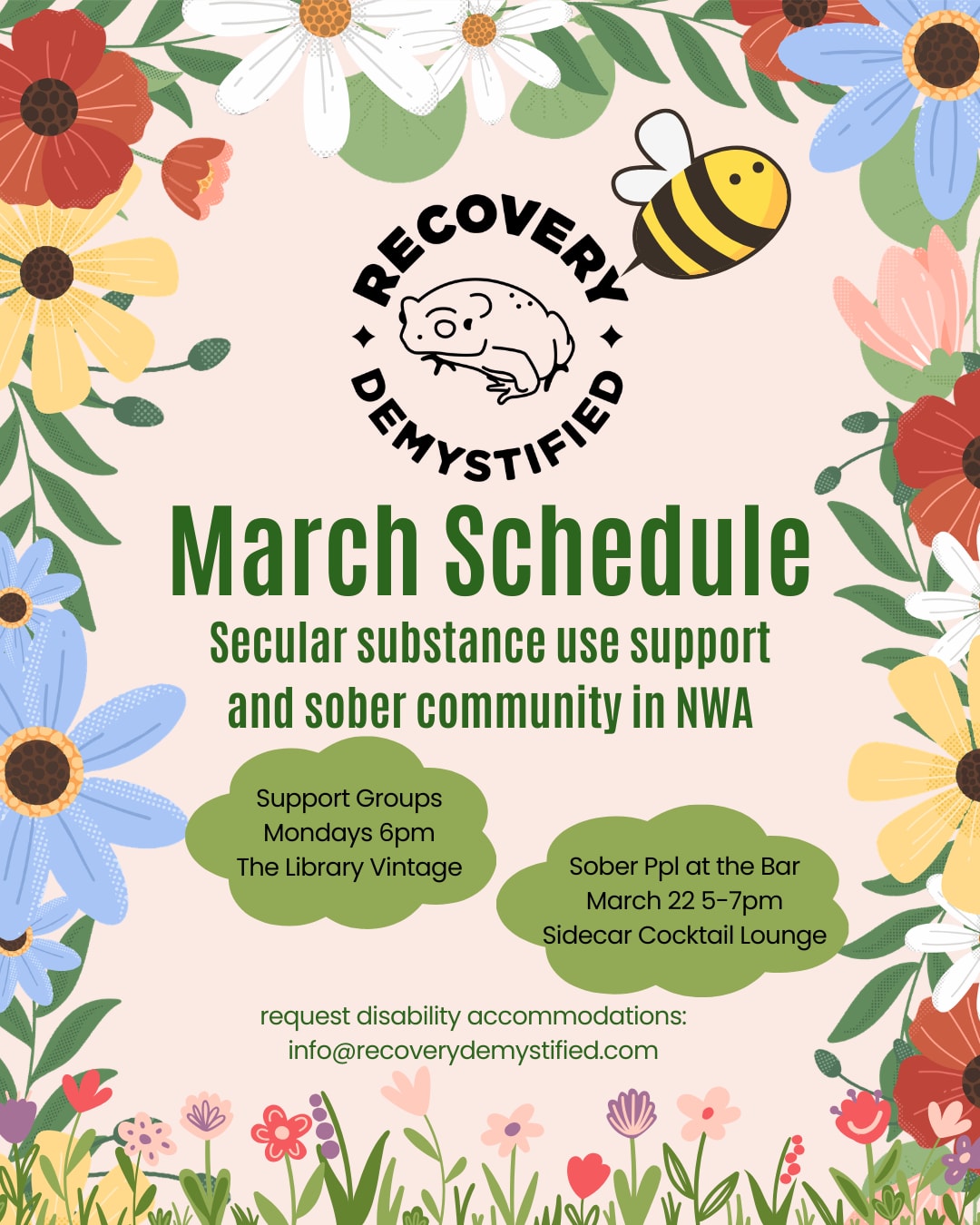
Support groups are still every Monday at 6pm The Library Vintage!
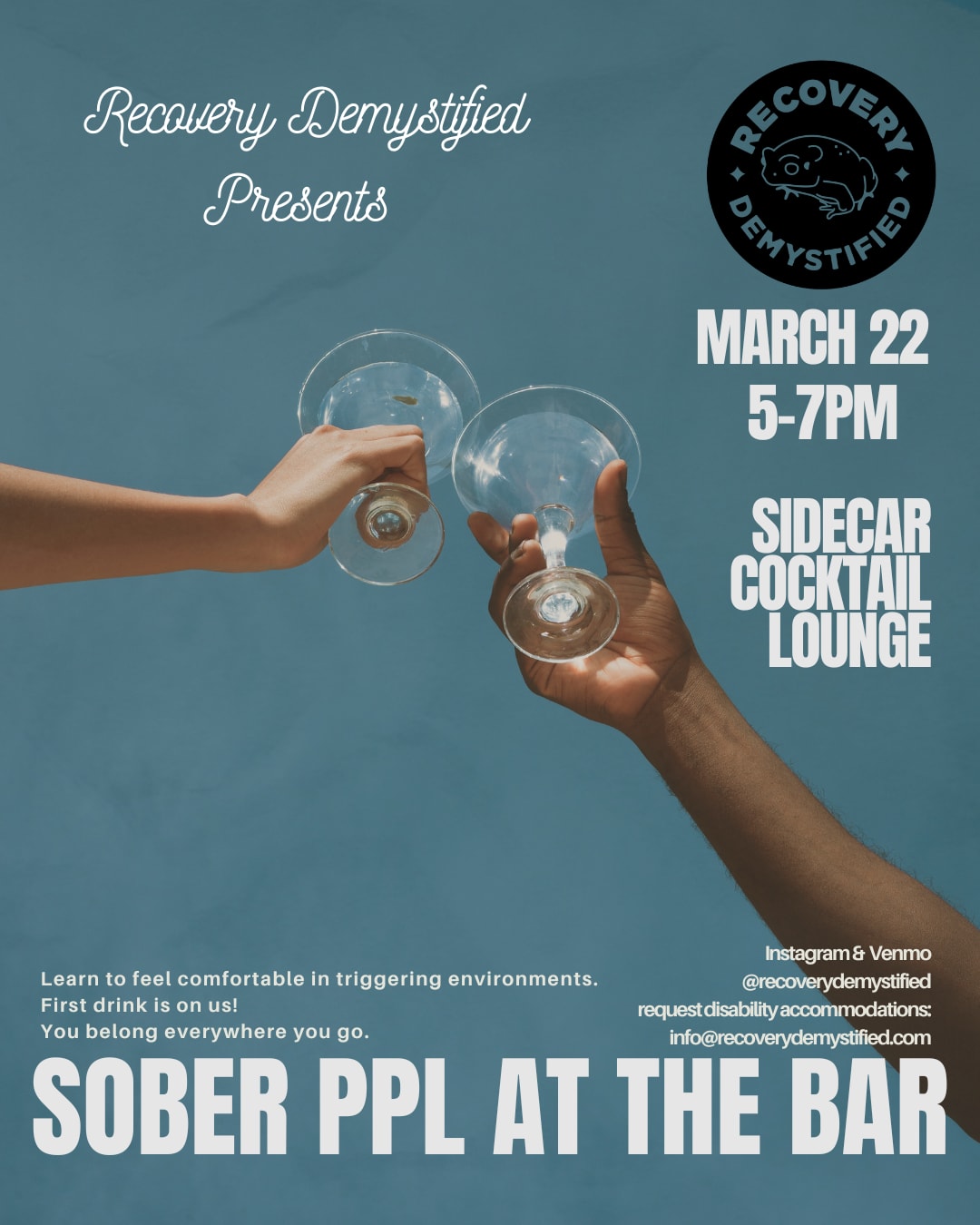
We also have a Sober at the Bar event coming up on March 22 at Sidecar Cocktail Lounge!